1960s Fashion: A Revolution in Style
1960s fashion marked a bold departure from the conservative styles of previous decades, ushering in an era of self-expression, rebellion, and cultural transformation. Driven by a new youth culture, fashion in the ’60s became more than just clothing—it was a statement. With groundbreaking trends like mini skirts, mod styles, and psychedelic prints, the decade redefined what it meant to be stylish, leaving a lasting impact on the way we dress today.
This era, often referred to as the Swinging Sixties, gave rise to iconic trends like mod fashion, space age silhouettes, and the bohemian style that would define an entire generation. Here’s a closer look at the forces that shaped this stylish revolution.
Content
The Rise of Youthquake Fashion

The 1960s ushered in what Vogue editor Diana Vreeland famously dubbed the Youthquake: a cultural movement powered by young people shaking up art, music, and fashion. Unlike earlier decades, where adults set the style agenda, now teenagers and twenty-somethings were at the helm.
Mini skirts, a revolutionary symbol of freedom, became mainstream thanks to designer Mary Quant, who challenged conventional ideas of femininity with bold, simple shapes and bright colors. Twiggy, the wide-eyed model with a boyish frame, became the face of the new youth-driven fashion scene, inspiring countless girls to adopt her sharp, mod look.
The Boutique Boom and Mod Mania

As young people demanded clothes that reflected their rebellious spirit, traditional department stores began to feel outdated. In their place, fashion boutiques flourished—vibrant, edgy spaces that offered affordable, trend-forward pieces designed for the masses.
The mod fashion subculture, centered in London’s Carnaby Street, brought slim-cut suits, monochrome palettes, and geometric prints into the spotlight. This look wasn’t just for women—men embraced tailored trousers, military jackets, and even androgynous hairstyles.
Pop culture and music fed into the mod aesthetic. Bands like The Who and The Beatles were as much fashion icons as musicians, defining the uniform of cool with turtlenecks, Chelsea boots, and sharp silhouettes.
From Space Age to Psychedelia

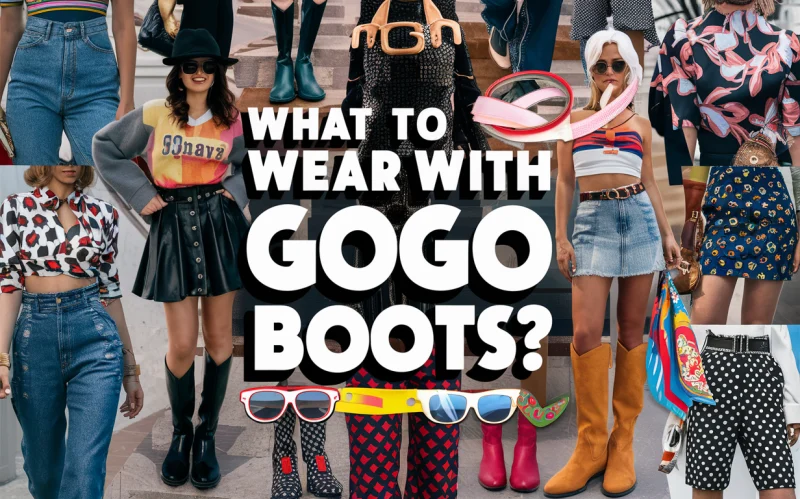
By the mid-1960s, designers turned their attention to the cosmos. The space age fashion trend, led by André Courrèges and Pierre Cardin, experimented with futuristic shapes, metallic fabrics, and minimalism. Go-go boots, PVC dresses, and clean lines dominated the runway, echoing society’s fascination with the Space Race.
But as the decade progressed, the minimalist sheen of mod gave way to the earthy chaos of the hippie movement. Bohemian style—characterized by flowing maxi dresses, bell-bottom pants, fringe, and psychedelic prints—emerged as a visual protest against conformity and war.
This shift mirrored the growing political and social unrest. Fashion was no longer just about looking good—it was a form of cultural commentary.
An Obsession with the New and Synthetic
One of the more curious aspects of 1960s fashion was its embrace of synthetic materials. Polyester, acrylic, and PVC weren’t just futuristic—they were affordable and mass-producible, aligning perfectly with the youth market’s appetite for novelty.
Plastic jewelry, vinyl raincoats, and neon accessories redefined the idea of luxury. Bright, clashing colors and pop art-inspired patterns became symbols of the new era. It was an unnatural obsession—and it looked fantastic under a disco light.
What was the dress code in the 1960s?
There wasn’t a single dress code in the 1960s—it evolved dramatically. Early in the decade, social dress codes still favored formality. By the mid-to-late 60s, dress became a form of rebellion, with youth adopting retro styles, synthetic materials, and counterculture fashion. The shift was from conforming to expressing.
Final Thoughts about 1960s Fashion
The fashion of the 1960s wasn’t just about what people wore—it was about who they were, what they believed, and how they saw the world. From the geometric edges of mod fashion to the dreamy layers of bohemian style, the decade remains a goldmine of inspiration for today’s designers and style lovers alike.
The 1960s fashion revolution redefined style, blending bold patterns, mini skirts, and mod aesthetics that challenged tradition. Iconic looks captured youth culture, inspiring trends still celebrated today. Businesses seeking visibility can advertise with us to reach fashion enthusiasts.
Whether you’re searching for vintage clothing, channeling retro style, or simply curious about the origins of your favorite trends, one thing is clear: the 1960s changed fashion forever.
FAQs
What was typical 1960s fashion?
Typical 1960s fashion varied by the era within the decade. Early ’60s style echoed the elegance of the 1950s with tailored suits and shift dresses. By the mid to late ’60s, mini skirts, go-go boots, and mod styles became popular, along with bold prints and unisex clothing. Hippie and bohemian fashion dominated the later years.
How to look like a 60s girl?
To look like a 60s girl, start with bold eyeliner, a beehive or pixie cut, and a mini dress in a vibrant or geometric print. Pair it with knee-high boots or Mary Janes. For a more casual look, opt for bell-bottom jeans, a peasant blouse, and oversized accessories.
How to dress like it’s the 60s?
Incorporate elements like:
Mini skirts or shift dresses
Bold patterns and pop colors
High collars, A-line cuts
Go-go boots or mod shoes
For men: slim suits, turtlenecks, and vintage leather jackets
Mixing these elements with accessories like round sunglasses or vintage bags completes the look.
What was the dress code in the 1960s?
There wasn’t a single dress code in the 1960s—it evolved dramatically. Early in the decade, social dress codes still favored formality. By the mid-to-late 60s, dress became a form of rebellion, with youth adopting retro styles, synthetic materials, and counterculture fashion. The shift was from conforming to expressing.

Discover the sartorial world through Frank White, a seasoned fashion aficionado. With a keen eye for 90s fashion trends, accessories, and cultural styles, Frank explores iconic pieces, red carpet looks, and sustainable fashion, offering insights into dressing for every occasion and body type.